When a founder publishes a memoir or an executive releases a leadership book, readers assume that every word came straight from the author's own keyboard. In reality, a great many books, articles and speeches are shaped by professional ghostwriters, who work quietly behind the scenes and receive no credit on the cover. Their craft is not about inventing a voice, it is about listening so carefully that the finished text sounds like the person who signs it. A good ghostwriter disappears into the author's voice and leaves only the author's ideas on the page. This article explains how that process works, from the first interview to the last edit, and what clients can do to get the best possible result from a collaboration.
It Starts With Listening
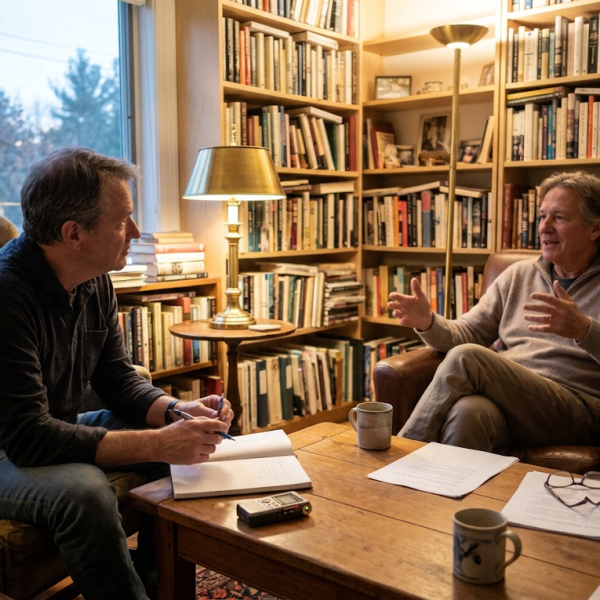
The first step is a series of long conversations. A ghostwriter asks open questions, records the answers and pays attention to more than facts. They notice how the author builds an argument, which stories come up again and again, how quickly the author speaks and what words feel natural or forced. Many writers also read earlier articles, emails, interviews and social media posts to hear the voice outside a formal setting. This research phase may feel slow, but it creates the foundation for everything that follows, because a text built on guesswork will never sound convincing to people who know the author well.
Building a Voice Profile
Experienced ghostwriters turn their observations into a simple voice profile. It records average sentence length, favourite expressions, level of formality, use of humour and the topics the author never discusses. It also notes habits such as starting a story with a question or ending a chapter with a short punchy line. When several writers work on one project, this profile keeps the style consistent from the first page to the last. The author can read it and correct anything that feels wrong, which turns the process into a real collaboration instead of a one way delivery.
Structure Before Sentences
A long book needs a strong frame. Before drafting, the writer and the author agree on the central message, the intended reader, the chapter outline and the key stories to include. This plan prevents wasted effort and helps the author see gaps early. Authors who want credibility often add data, quotes and references, and the writer checks every claim against reliable sources. Organisations such as the Authors Guild publish advice on contracts, rights and professional practice that is useful for anyone entering a writing partnership for the first time.
Drafting, Feedback and Revision
Writers usually deliver the manuscript in stages, so that the author can react while the work is still flexible. Feedback is most helpful when it is specific. Instead of saying that a passage feels off, the author can point to the sentence that does not sound like them and suggest a more natural alternative. The writer then adjusts the draft and applies the same lesson to the rest of the text. Two or three rounds of revision are normal, followed by a careful proofread to catch typing errors and inconsistencies before the book goes to a publisher or printer.
Confidentiality and Rights
Ghostwriting depends on trust. Clients share personal stories, business plans and unpublished ideas, and they expect them to remain private. A professional contract defines who owns the text, what credit if any will be given, how drafts are stored and what happens if the project ends early. Make sure these points are in writing before work begins. The same principle applies to every other service that handles sensitive material, including translation, where a signed confidentiality agreement is standard practice.
Taking a Book Into Other Languages
Many authors want their work to reach readers beyond their home market, and a voice that has been carefully built in one language must then survive translation. This is a delicate task, since rhythm, humour and personality can easily be lost. Publishers who plan a Brazilian edition, for example, often look for english to portuguese translation by a translator with literary experience, who can reproduce the tone of the original rather than just its content. It also helps to read about how professionals balance accuracy and style, as in this article on polish to english translation that captures meaning and tone, which applies the same principle in another language pair.
Choosing the Right Partner
When you hire a ghostwriter, look for relevant samples, references and a clear process rather than promises of overnight results. Ask how many interview hours they expect, how revisions are handled and how they protect your material. Choose someone you enjoy talking to, since the quality of the conversation shapes the quality of the book. With the right partner, your ideas, stories and personality will reach readers in a polished form that still feels completely your own, in every edition and every language where the book is published.